Understand the landscape before you reach for tools
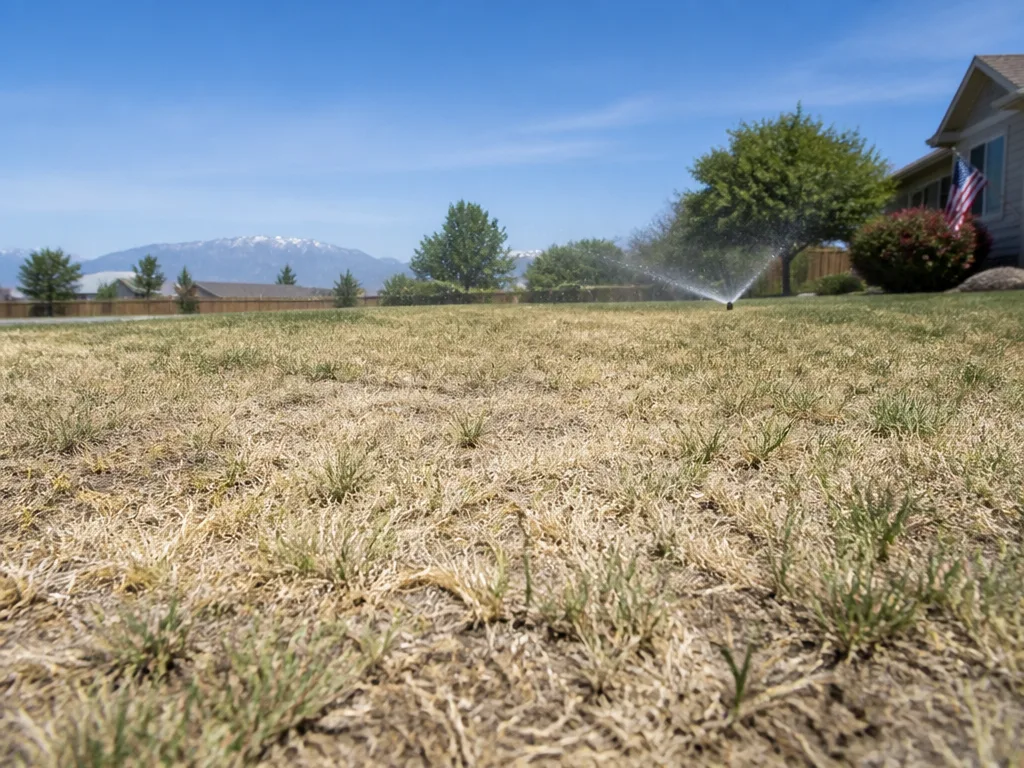
In Utah, lawns deal with dry summers, windy days, and occasional cold snaps. A simple adjustment like mowing height or watering schedule can make a big difference. Start with a few basics you can handle yourself, and know where to turn when things don’t improve after a couple of weeks.
DIY steps you can take now
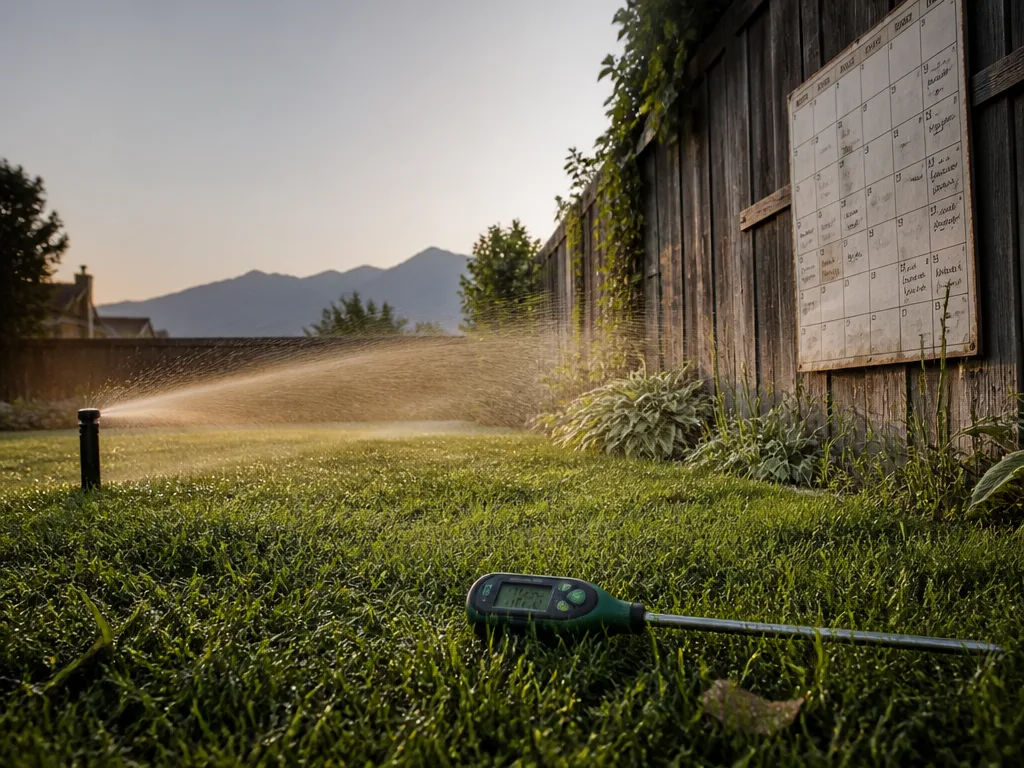
Set a mowing height appropriate for your grass type and season. For cool-season grasses common in many Utah yards, aim to keep blades fairly upright in spring and fall, and a bit higher during mid-summer heat. Water deeply but infrequently to encourage deep rooting; early mornings are best to reduce evaporation. If you see minor patches, reseed or overseed thin areas with a grass blend suited to Utah climate.
When to call a lawn care specialist
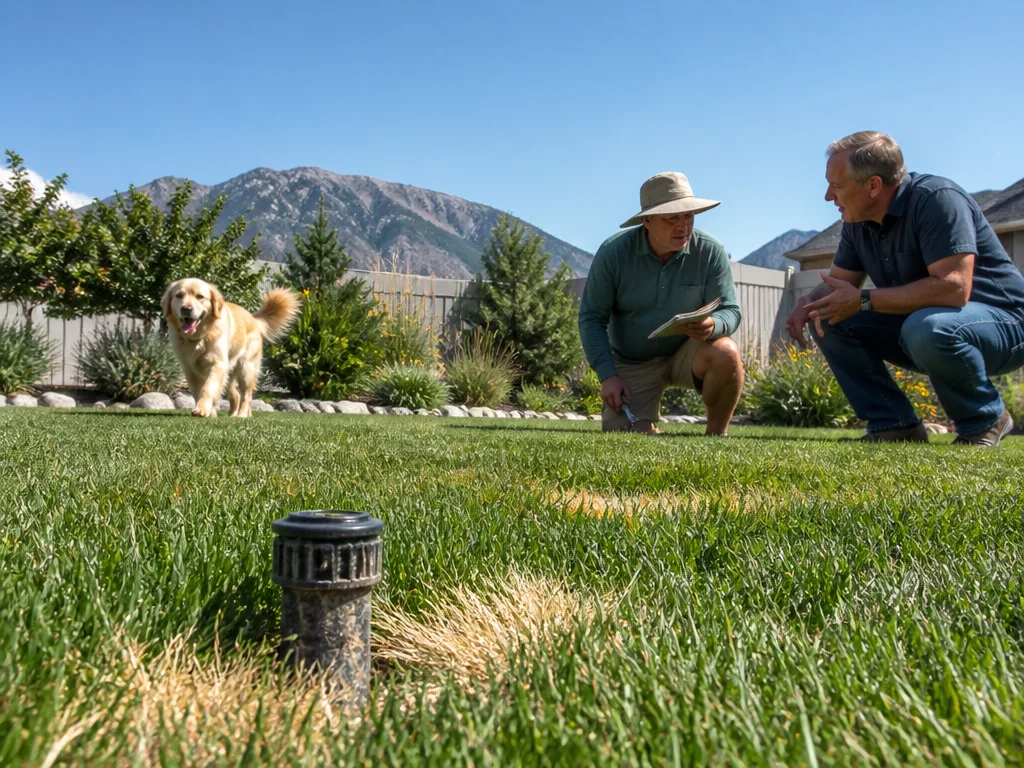
If you notice persistent color loss, widespread thinning, or a pattern of weed encroachment that doesn’t respond to basic care, bring in a professional. Our crew can diagnose soil, irrigation, and turf health quickly and tailor a plan for statewide Utah conditions. If weeds return after mowing and spot treatments aren’t helping, that’s a signal to get an expert opinion.
What a pro brings to the table
A lawn care specialist in Utah analyzes sun exposure, soil structure, and irrigation behavior for your yard. They can recommend aeration, overseeding, and a feeding schedule that matches the growing season. The goal is steady improvement rather than quick fixes that fade with the next heat wave.